
Imagine a fairy godmother for your finances, but instead of a magic wand, she’s got savvy tips to improve your credit score. Sounds great, right?
That’s pretty much what the best credit-building apps are all about. These handy apps offer the tools and advice to make better money moves.
They even keep an eye on those major credit bureaus to make sure you’re getting the credit you deserve.
Whether you dream of a new home, a family vacation, or just a little financial breathing room, these apps can guide you.
In this post, I’ll show you how credit apps can help unlock a brighter financial future for you and your family.
Quick Picks
- Best Overall Credit Building App – Chime
- Best For Free Credit Check – Credit Karma
- Best For Credit-Builder Loans – Self
- Monthly Membership Includes Online Courses & More – Kovo
10 Best Credit Building Apps
1. Chime Card
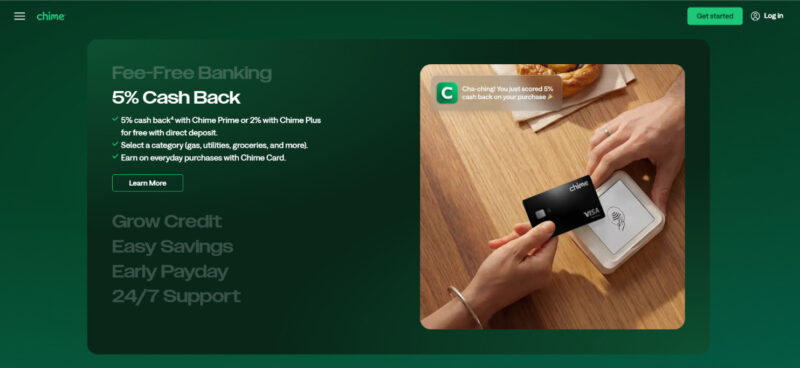
If you’re trying to build your credit but don’t want to deal with high interest rates or extra fees, Chime Card is a great place to start.
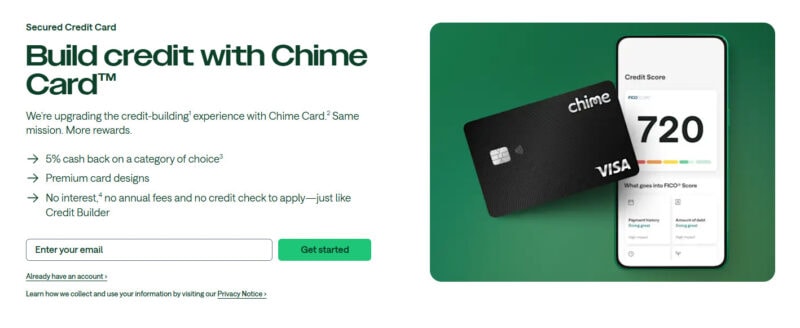
It’s a secured credit card that helps you build credit with money you already have. You don’t need a great credit score to qualify, there’s no credit check, and you won’t pay annual fees or interest.
The best part? You don’t have to change how you spend your money to start building credit.
You can use your Chime Card for everyday purchases like groceries, gas, or grabbing dinner with the family. As you spend, Chime sets aside money to cover those purchases, so you’re not racking up a credit card balance you can’t afford to pay off.
We also like Chime’s Safer Credit Building feature. Once you turn it on, it automatically pays your monthly statement balance using money you’ve already set aside. It’s one less payment to remember, which is always a win in our book!
And because Chime reports your payments to TransUnion®, Experian®, and Equifax®, those everyday purchases can help you build a positive credit history when you make your payments on time.
Another nice perk I like is the chance to earn cash back! With qualifying direct deposits, Chime Plus™ members can earn 2% cash back, while Chime Prime™ members can earn 5% cash back in a category they choose, on up to $1,500 in eligible purchases each month.
You can learn more about how it works on the Chime Card website.
Bottom line: We think Chime is a smart choice if you’re new to credit or trying to improve your score. You can build credit by spending money that’s already in your budget, without worrying about annual fees or interest charges.
Pros
- No annual fees or interest charges
- No credit check to apply
- Reports to all three major credit bureaus
- No minimum security deposit
- Automatic payments with Safer Credit Building
- Cash back available with qualifying direct deposits
Cons
- Requires a Chime Checking Account
- Can only spend money you have available
- Cash back requires qualifying direct deposits
- Late or missed payments can hurt your credit
2. Credit Karma

First up is Credit Karma, an app I personally use and trust. It’s been around for a while, so you know it’s got staying power.
Credit Karma is a reliable, cost-effective way to stay financially savvy without spending a dime.
The Credit Karma app is free to download on iOS and Android, making it super easy to monitor your credit score and credit history anywhere you go.
Once you’re in, you’ll get all the good stuff: real-time updates from 2 major credit bureaus, personalized tips to improve your credit score, and more.
You can easily check for hard pulls on your credit, check your credit utilization, and view all your loan totals in one quick spot.
Read why it’s my first pick for improving credit with my honest Credit Karma Review.
Pros
- Free to use
- Uses information from credit bureaus to determine your score
- Weekly score updates
- Financial education tools
- View credit score, credit utilization, and more
- Third-party features
Cons
- Score accuracy varies
- Only uses two of the three credit bureaus
- Limited customer support

3. Self Credit Builder

Self is a comprehensive credit builder tool offering more than a quick fix.
Self reports rent payments and other on-time payments to the credit bureaus, which helps improve your credit score and builds a strong financial history.
When you choose one of their credit builder loans, your monthly payments are safely tucked away in a certificate of deposit (CD).
The dual approach allows you to build credit while accumulating a credit-builder account, essentially a small savings stash for future use.
Monthly amounts can be as low as $25 or as high as $150, fitting a range of budgets.
But a word of caution: Self isn’t your most budget-friendly credit builder alternative. They charge a $9 admin fee, with higher interest rates on late payments.
Pros
- Pay regular bills and loans, plus create savings to build credit
- Offers a secure credit builder card
- Flexible credit builder loan payment options
- Reports to credit bureaus
Cons
- Steep interest rates on credit builder loans
- $9 admin fee
- Not the cheapest option to build credit
4. Credit Sesame

Credit Sesame pays you for improving your credit score. I couldn’t believe it initially, but they’ll give you $100 if you bump your credit score by 100 points.
It’s like getting a bonus for being financially responsible!
Credit Sesame is a free checking account that has a lot of benefits. You can get a Sesame Cash debit card with up to 15% cash back at places like Airbnb and Walmart.
Credit Sesame also offers a unique feature where some debit card expenses can qualify as “credit card purchases.”
At the end of the month, these get reported to all three credit reporting bureaus, helping you build a solid credit history.
And for those who like to keep a close eye on their finances, Credit Sesame has you covered.
You can get daily updates on your credit score from Experian, so you’re always in the know.
Pros
- Rewards for good credit
- Reports to credit bureaus
- 0% at signup
- Daily score updates
Cons
- Limited to Experian for daily updates
5. Experian Boost

If you’ve seen the Experian Boost commercial with the cow, you know they’ve found a fun way to talk about a serious subject.
Just like in the ad, Experian Boost aims to ‘moo-ve’ your credit score up by counting utility and phone bills you’re already paying.
You connect your bank account, pick the bills you’re paying, and you could get an average increase of 13 points in your credit score.
It’s like getting a gold star for adulting!
The best part? Experian is one of the big three credit bureaus, so you know this boost comes from a reliable source.
Plus, you get free access to your Experian credit score as soon as you sign up.
It’s a straightforward way to start building credit, especially if you have a limited credit history.
Pros
- Counts non-traditional payments
- Immediate credit score update
- Free Experian score access
Cons
- Limited effect for those with extensive credit history
- Boosts Experian score only
- It needs at least three recurring payments
6. Kovo

I’ve been looking at Kovo lately, and let me tell you, it’s a pretty unique find among credit-building apps.
For just $10 a month, you get to build up your credit and get access to a bunch of online courses.
I’m talking about courses that can help you ace an interview, manage stress, or even start your own business.
It’s like hitting two birds with one stone: you’re building your credit and picking up some life skills.
What caught my eye about Kovo is how they report your payments to not just one or two but four credit bureaus: Equifax, Experian, TransUnion, and Innovis.
Plus, after making four on-time payments, you can unlock rewards like gift cards when you open a credit card or loan with their partner lenders.
It’s like a little pat on the back for being financially responsible.
Pros
- Reports to four credit bureaus
- Educational courses included
- Unlockable rewards
Cons
- Two-year commitment
- Courses may not suit everyone
7. MyFICO

For those who want to get into the nitty-gritty of their credit details, MyFICO is a solid choice.
This isn’t just another app; it’s from the company that created the FICO score.
So you’re getting your info straight from the source. For $19.95 a month, you can get a deep dive into your Experian credit report and FICO scores.
However, if you want the full scoop from all three major credit bureaus, it’ll cost either $29.95 or $39.95 per month.
The extra cost gives you peace of mind with added features like identity monitoring and ID theft insurance.
While MyFICO isn’t designed to build credit, it equips you with the knowledge you need to make smart financial moves.
The catch? If you opt for the basic or free plan, however, your scores only get updated every three months.
Pros
- In-depth FICO analysis
- Additional identity protections
- Access to educational resources
Cons
- Free version offers one credit report (Equifax)
- Full access costs money (not a free service)
- Scores for mortgages, auto loans & more aren’t included in the free version
8. MoneyLion

MoneyLion’s Credit Builder Plus feature is a game-changer for those looking to build credit with a credit-builder loan.
You apply for a loan of up to $1,000 and then pay it off over 12 months.
The monthly payments are reported to all three credit bureaus, helping you build a solid credit history.
Now, let’s talk about the cost. The Credit Builder Plus feature isn’t free; it comes with a $19.99 monthly fee.
Plus, the rest of your loan amount is set aside in a Credit Reserve Account, which acts like a savings account.
Once you’ve paid off your loan, you can access all the money you’ve paid into the savings account.
MoneyLion isn’t just about building credit, either! It’s actually a solid neobank that offers a bunch of other perks, too.
We’re talking automatic investment accounts, zero-interest cash advances, and even debit card rewards.
Pros
- No hard credit check
- Access to loan upfront
- Builds savings
Cons
- Pay $19.99 monthly
- Works like a regular loan- with monthly payments
- Limited to MoneyLion features
- Need a MoneyLion membership
9. Grow Credit

Grow Credit is a standout among credit-building apps, designed to turn your monthly subscriptions into a way to build credit.
If you’re like me, you’re already paying for Netflix or Spotify, so why not get some credit score brownie points?
If you’re already shelling out for subscriptions, using Grow Credit can be a savvy way to multitask your finances and work on building credit and a positive credit history at the same time.
The app provides a free Mastercard credit builder card for these subscription payments. Every payment gets reported to the major credit bureaus, boosting your credit score.
The free basic plan offers a $17 monthly credit limit, covering at least one monthly subscription.
But you might want to look into their paid monthly plans if you’re juggling multiple subscriptions and want them to up your credit score.
The monthly fees for the paid plans can add up, so you’ll want to ensure the credit builder benefits are worth the cost and your credit will get help from it.
Pros
- Turns subscriptions into credit-building
- Free basic plan
- Flexible spending limits
Cons
- Basic plan doesn’t cover more than one subscription
- Monthly fees for higher subscription amounts
- Limited to subscription payments
- Not a one-stop credit builder app solution
10. Kikoff

Kikoff is more than just a credit-building app; it’s a full-fledged service aimed at helping you improve your credit in multiple ways.
The Credit Account is a revolving line of $750 credit that targets three key factors affecting your credit scores: payment history, credit utilization, and credit age.
You can use this credit account to purchase from the Kikoff store and make monthly payments.
These payments are reported to Equifax and Experian, helping you build credit over time. And don’t worry, there’s no credit check involved, so getting started is a breeze.
But Kikoff doesn’t stop there. They also offer a Credit Builder Loan, a one-year plan that helps you build a payment history and saves $10 a month.
At the end of the year, you get all your savings back, which is a nice little bonus.
Last but not least, there’s the Kikoff Credit+ Cash Card. It’s a free, secured credit card product that can take your credit from poor credit to good credit.
Pros
- Multiple credit options
- No credit check
- 0%APR and no annual fee
Cons
- Limited store use for credit line
- Monthly fee
- Partial bureau reporting
FAQs
What’s the best credit-building app?
Selecting the best credit-building app is a personal choice and depends on what you want to achieve with your credit.
We think Chime Card is one of the best options if you’re looking to build credit without spending extra money on fees.
It’s easy to get started, and you can work on building your credit just by making purchases you’d normally make anyway.
When you use your Chime Card and make your payments on time, Chime reports that activity to all three major credit bureaus: TransUnion®, Experian®, and Equifax® . This can help you build a positive credit history over time.
Where can I check my credit score for free?
There are several ways to check your credit score without spending a dime.
Apps like Credit Karma offer free credit monitoring services that show your credit score and give you a breakdown of what’s affecting it.
They’ll even offer some advice on how to boost that score, and you can check in for free multiple times to see if your score is improving.
Remember, it’s always good to monitor your credit report; these credit monitoring services make it easy to do just that.
How can I increase my credit score?
There are plenty of tools and strategies to help you improve your credit score.
First off, making on-time payments is crucial. Whether it’s a utility bill or a credit card payment, punctuality is key to a good credit score.
Another strategy is to keep an eye on your credit utilization ratio. Aim to keep it under 30% of your credit limit. Free credit-building apps can show this to you.
For example, if you have a credit card with a $1,000 limit, try not to carry a balance of more than $300.
You might also consider using credit-builder apps or taking out a credit-builder loan to help you establish a good payment history.
Some people even opt for a secured credit card to build credit. And remember to check your credit reports for any errors or discrepancies regularly.
You can dispute any or consult a credit repair company for help if you find any bad credit history.

What helps build my credit the most?
When boosting your credit, a few key factors move the needle.
First up, making monthly payments on time is a biggie, and trying to make full payments whenever possible- starting with not maxing out your credit limits.
Whether it’s your credit card, car loan, or utility bills, timely bill payments show you’re reliable, which is music to the bureaus’ ears.
Another major player is your credit utilization rate. Keeping this low (ideally under 30% of your credit limit) shows you avoid credit card debt.
It’s a good indicator of your credit history that you’re low-risk, which can help improve those credit scores.
Lastly, having a credit mix of different types of credit can also help. This could be a combination of credit cards, retail accounts, installment loans, and mortgage loans.
A varied portfolio shows you can handle different kinds of debt, which can be a plus for your credit scores.
Do credit-building apps really work to improve my credit?

Yes, credit-building apps can help improve your credit score, but it depends on which one you use and how you use it.
Some apps help you build credit by reporting your payments to the credit bureaus, while others help you track your credit score and understand what’s affecting it.
But building good credit goes beyond using an app. Having a solid money management plan, paying your bills on time, and keeping your debt under control all play a big role in improving your credit.
We like Chime Card because it helps you build credit through everyday purchases while reporting your payments to all three major credit bureaus.
Just remember, building credit takes time. The sooner you start building good money habits, the better!
How long will it take my credit score to improve?
The timeline for boosting your credit scores can vary widely depending on your starting point and how consistent you are with good financial habits.
If you’re coming back from bankruptcy or a home foreclosure, it could take 3-6 years or more to improve your credit.
If you’re starting with a lower score, you might see improvements within a few months by creating a positive payment history on your auto loans, credit cards, or any other debts.
It’s also good to keep an eye on your bank account to save money and avoid any annual fees or overdrafts that could set you back.
But, if you want a significant increase in your credit, time and effort will make the biggest difference, and the best credit-building apps can help you get there.
The key takeaway is that building a strong credit profile is a marathon, not a sprint. So, stay committed to your credit-building journey, and you’ll see the results over time.
Final Thoughts

Building good credit doesn’t have to be complicated, and the right credit-building app can make a big difference.
Chime Card is our top pick because it makes building credit simple without charging annual fees or interest. You can use it for everyday purchases while working toward a better credit history.
But remember, no app is going to fix your credit overnight. Paying your bills on time, managing your debt, and sticking to a budget are just as important.
The goal isn’t just to improve your credit score. It’s to build better money habits that help you achieve financial freedom.
Whether you’re starting from scratch or trying to rebuild your credit, the most important thing is to get started and stay consistent.
Small changes today can make a big difference in your finances down the road!


